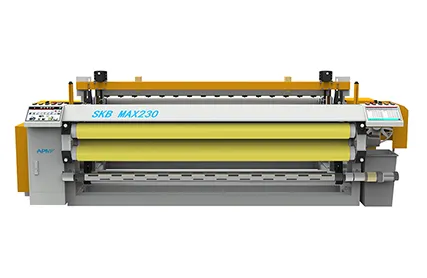
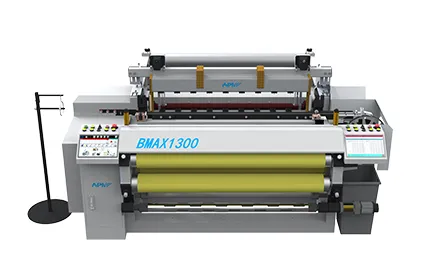
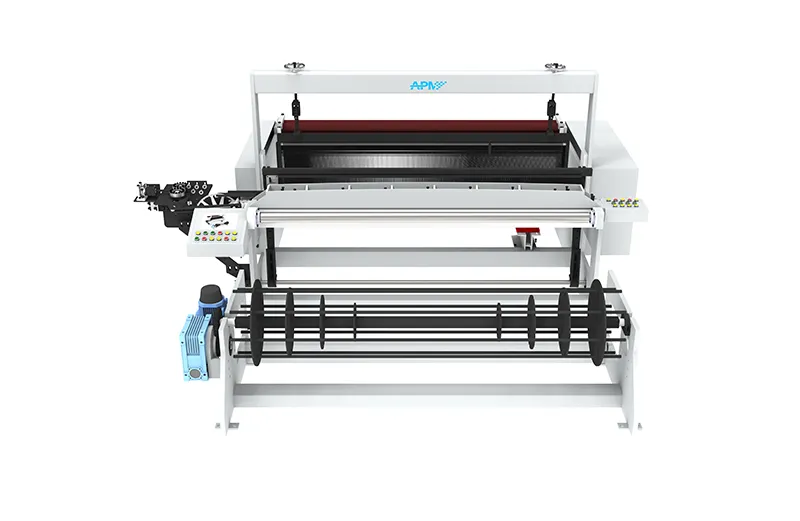
Wire mesh weaving machines play a pivotal role in modern manufacturing by producing high-precision woven wire fabrics that serve as essential components across diverse industries. These advanced looms interlace metallic wires into uniform meshes with exact opening sizes, enabling applications that range from critical filtration systems to architectural innovations. Shuttleless designs, in particular, have expanded production capabilities, delivering superior speed, consistency, and quality that meet the stringent demands of today’s industrial landscape.
Filtration and Separation Industries
Woven wire mesh excels at separating solids from liquids and gases with remarkable accuracy. In the oil and gas sector, it is used for upstream and downstream filtration, removing impurities from crude oil, natural gas, and refined products. Chemical processing plants rely on these meshes for catalyst recovery, corrosive fluid handling, and precise particle sizing.
The food and beverage industry uses stainless steel woven mesh for hygienic filtration during processing of liquids like beer, wine, juices, and dairy products. Pharmaceutical manufacturers depend on fine meshes for sterile air and liquid filtration to maintain cleanroom standards and ensure product purity. Water treatment facilities employ woven meshes in wastewater processing, desalination, and municipal drinking water systems.
Mining, Quarrying, and Aggregate Screening
In mining and quarrying, wire mesh weaving machines produce durable vibrating screens and sieves used to classify minerals, coal, sand, gravel, and ores. These meshes withstand heavy loads, abrasion, and constant vibration while maintaining precise aperture sizes for efficient material separation. Heavy-duty meshes produced on robust weaving equipment help maximize throughput and reduce downtime in aggregate production.
Architecture and Construction
Architectural wire mesh has gained popularity for both functional and aesthetic purposes. Designers incorporate woven meshes into building facades, interior partitions, ceilings, and balustrades, creating visually striking yet durable elements that provide shading, ventilation, and security. In construction, meshes reinforce concrete, serve as safety barriers, and act as formwork supports. Their corrosion resistance and strength make them ideal for long-term structural applications.
Automotive, Aerospace, and Transportation
The automotive industry utilizes woven wire mesh in airbag components, exhaust filtration, radiator grilles, and fuel filtration systems. Aerospace applications demand ultra-precise meshes for hydraulic fluid filtration, cabin air filters, and lightweight structural elements where reliability under extreme conditions is non-negotiable. Conveyor belts and protective guards in manufacturing lines also rely on robust woven meshes.
Agriculture, Aquaculture, and Food Processing
Farmers use woven wire mesh for fencing, animal enclosures, crop protection, and ventilation in greenhouses. In aquaculture, meshes form cages and screens that allow water flow while containing fish and preventing predators. Food processing facilities employ them in sorting, drying, and packaging lines, where hygiene and durability are critical.
Electronics, Screen Printing, and High-Tech Applications
Fine woven meshes support screen printing for circuit boards and electronic components, requiring uniform openings down to micron levels. In the electronics industry, they serve as EMI/RFI shielding, battery components, and precision filters. Emerging fields like new energy, including hydrogen production and solar panel manufacturing, increasingly adopt specialized woven meshes for electrolyzers and filtration needs.
Medical, Pharmaceutical, and Environmental Uses
Medical applications of wire mesh weaving machine include surgical implants, laboratory sieves, and protective barriers. Environmental protection efforts leverage woven meshes in air pollution control, soil stabilization, and wildlife conservation projects.
APM Shuttleless Wire Weaving Machines Enabling Broad Applications
Leading manufacturers like APM Wire Mesh Machine have developed advanced shuttleless wire weaving machines that directly support these wide-ranging applications. APM’s looms can process metal wires up to 1.2mm, producing square fabrics up to 600 mesh and Hollander (Dutch) cloth up to 2600 mesh. Their PLC programmable rapier systems, combined with servo motors for cloth reeling and warp feeding, deliver stable, high-precision output while reducing operator skill dependency.
APM offers multiple series tailored to specific needs:
QD-PLC Bus and D-DIY Heavy models excel in petroleum, chemical, military, and aerospace sectors for liquid/gas filtration and particle screening.
HD-High Speed E-Dobby machines are perfect for window screens, filters, and architectural applications using materials like stainless steel, aluminum alloy, and copper.
Weaving widths from 1,300mm to 6,300mm accommodate everything from compact electronic filters to large industrial screens.
These machines support a vast array of materials, including stainless steel, brass, bronze, platinum, and alloys, making them versatile for demanding environments.
Advantages of Modern Weaving Technology
Shuttleless machines provide higher speeds, lower noise, reduced wire damage, and consistent tension control compared to traditional shuttle looms. This translates to fewer defects, better mesh uniformity, and cost efficiency at scale. Integration with auxiliary equipment like warping and cutting systems creates complete production lines optimized for high-volume or specialized output.
In conclusion, wire mesh weaving machines are foundational to countless modern processes. From essential industrial filtration to elegant architectural designs, their output underpins safety, efficiency, and innovation worldwide. Suppliers like APM, with their reliable shuttleless technology, empower manufacturers to meet diverse global needs with precision and confidence. The versatility of woven wire mesh ensures it will remain indispensable across sectors for decades to come.
 English