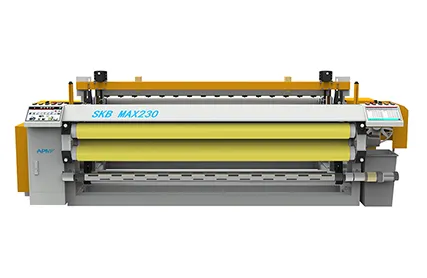
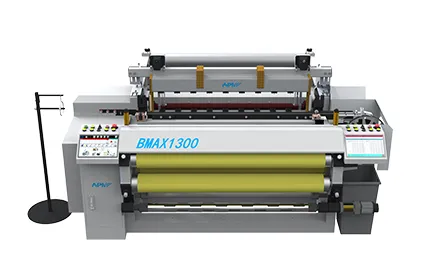
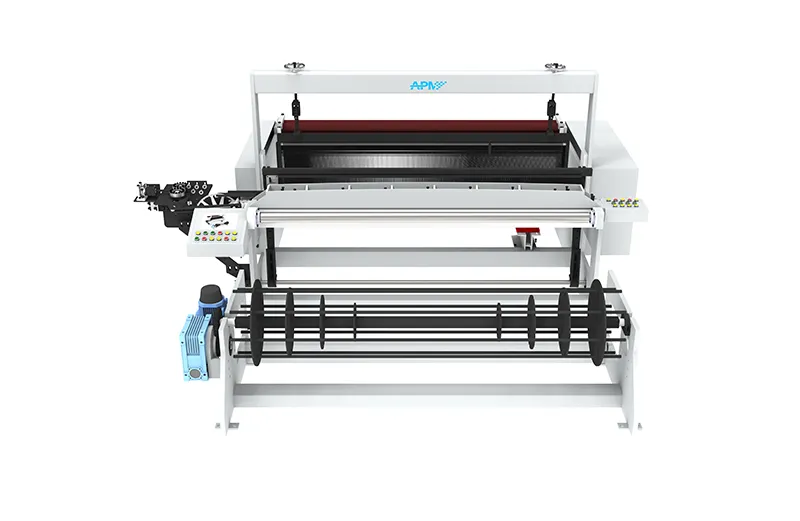
Crimped wire mesh is a versatile and robust material widely used across industries for screening, filtration, protection, and architectural applications. Unlike standard woven wire mesh, crimped variants feature pre-bent wires that create interlocking patterns, resulting in greater rigidity, stability, and resistance to vibration or heavy loads. The production of these meshes relies on specialized crimped wire mesh machines, which vary significantly in automation level, wire handling capacity, and weave capabilities.
Crimped Wire Mesh
Crimped wire mesh is manufactured by first crimping the wires, bending them into consistent zig-zag or wave patterns, before or during the weaving process.
Common crimp styles include:
Double crimped: Wires bent on both sides of intersections for basic stability.
Inter-crimped: Additional crimps between intersections for finer meshes.
Lock crimped: Features knuckles that lock wires securely, ideal for heavy-duty use.
Flat top crimped: Provides a smooth surface on one side, often used in screening applications.
These meshes serve critical roles in mining (vibrating screens for coal, sand, and stone), oil and gas, construction, agriculture, and food processing. Machines that produce them must handle a wide range of wire diameters, mesh openings, and materials like stainless steel, high-carbon steel, or spring steel.
Main Types of Crimped Wire Mesh Machines
Crimped wire mesh machines generally fall into three categories: full-automatic, semi-automatic, and hydraulic. Each type offers distinct advantages depending on production volume, wire thickness, and required precision.
1. Full-Automatic Crimped Wire Mesh Machines
These represent the most advanced option, incorporating PLC controls, servo motors, and CNC systems for minimal human intervention. They excel in high-volume production of lighter to medium meshes.
Key features include automated weft insertion via rapier or shuttleless systems, servo-controlled warp feeding and cloth reeling, and programmable settings for mesh size and weave patterns. Speeds can reach 50-60 weaves per minute, with wire diameters typically ranging from 0.7mm to 4.0mm and mesh openings from 1.5mm to 25mm.
A prime example is the F101 & F102 series from APM Wire Mesh Machine. The F101 model pulls weft wire with a single servo motor (suitable for 0.7-2.0mm wires), while the F102 uses dual servo motors for thicker wires up to 4.0mm. These machines use a steady-stroke crankshaft and frequency control, enabling efficient production of square and rectangular meshes. Their PLC programmable rapier system reduces reliance on skilled operators, making them attractive for modern manufacturers seeking consistency and lower labor costs.
2. Semi-Automatic Crimped Wire Mesh Machines
Semi-automatic models balance cost and capability. Operators typically insert weft wires manually, while the machine handles shedding, beating, and take-up automatically. This type is ideal for medium production runs or when frequent adjustments for different mesh specifications are needed.
These machines often support wider weaving widths (up to 2500mm or more) and handle wires from 2.0mm to 6.0mm. The S101 crimped mesh machine from APM, for instance, features cam-controlled heddle frames and manual weft insertion, allowing quick setup for various wire sizes and screen widths. Applications include fencing, machine guards, decorative panels, and vibration screens. Weaving speeds are moderate (15-30 times per minute), prioritizing flexibility over sheer speed.
3. Hydraulic Crimped Wire Mesh Machines
Designed for heavy-duty applications, hydraulic machines provide powerful force for weaving thick, high-tensile wires (often 5.0-12.0mm or even up to 16mm). They use hydraulic systems to control heddle frames, ensuring strong lift for springy or stiff wires.
The H101 hydraulic model supports lock crimped and square patterns with manual weft insertion. These machines are robust, with reinforced structures to manage the mechanical stresses of heavy wire. They are commonly used for mining screens and industrial sieves where durability is paramount.
4. Advanced Hybrid Models
Some manufacturers, like APM, offer versatile hybrids such as the SKS102 Heavy Automatic Crimped Wire Mesh Machine. Controlled by PLC with AC servo motors for both heddle frames and slay beating, it supports multiple weave types (square, rectangular, and harp meshes). Parameters like heddle stroke (120-160mm), wire diameter (1.0-12mm), and mesh size are fully programmable, combining the power of hydraulic systems with automation benefits.
Key Features across Machine Types
Wide Material Compatibility: Stainless steel, spring steel, and other alloys.
Adjustable Weaving Widths: Commonly 1300mm to 2500mm, with some models extending to 6000mm.
Precision Controls: Servo motors and PLC systems ensure accurate mesh openings and tension control.
Auxiliary Equipment Integration: Many lines include separate automatic wire crimping machines, cutting machines, and stretching machines for complete production workflows. APM, for example, offers dedicated auxiliary equipment to complement their weaving looms.
Safety and Maintenance: User-friendly designs with easy access for maintenance and operator safety features.
Efficiency: Variable speed drives, low noise operation, and options for minimal labor, especially in full-automatic models.
Applications and Industry Impact
Crimped wire mesh produced on these machines is indispensable in mining and quarrying for vibrating screens that separate materials efficiently. In architecture, they provide security fencing, facades, and decorative elements. The oil & gas sector uses them for filtration, while food processing relies on hygienic stainless steel variants.
Investing in the right machine can dramatically improve productivity. Full-automatic options like those from APM reduce labor costs and expand product ranges, giving manufacturers a competitive edge in supplying high-quality screens for demanding sectors.
Choosing the Right Machine
Factors to consider include target wire diameter, desired output volume, available floor space, budget, and specific weave requirements. For mining-focused producers, heavy-duty hydraulic or hybrid models are preferable. Smaller operations or those needing versatility might opt for semi-automatic systems.
Leading manufacturers like APM Wire Mesh Machine provide comprehensive solutions tailored to these needs, with machines engineered for economy, quality, and ease of use. Their equipment supports everything from fine meshes to heavy industrial screens, backed by decades of expertise in metal wire weaving technology.
In conclusion, crimped wire mesh machines continue to evolve with automation and precision engineering. Whether full-automatic for high throughput or hydraulic for heavy gauges, these machines enable the production of reliable, high-performance mesh that powers industries worldwide. As demand for specialized screening solutions grows, selecting advanced equipment from reputable suppliers remains key to success.
 English