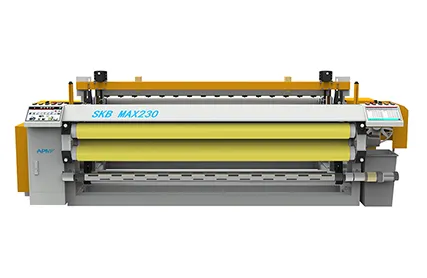
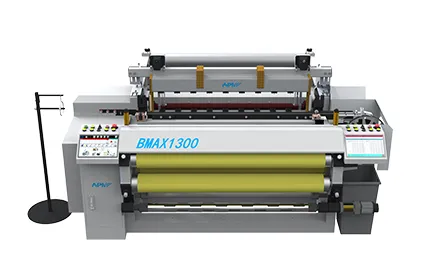
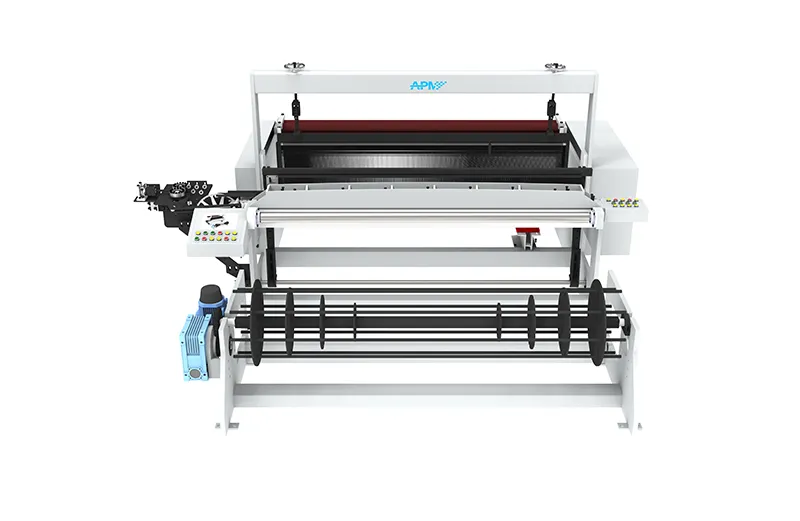
To choose a wire mesh weaving machine, start with the mesh you need to produce: mesh count or opening size, wire diameter, material grade, finished width and weave type. Check that a machine can handle these specifications together, then compare its output on your main products.
Fine filter cloth, screen-printing mesh and heavier screening mesh place different demands on wire handling and weaving. At APM, we use your finished mesh specifications to narrow down the loom and its configuration.
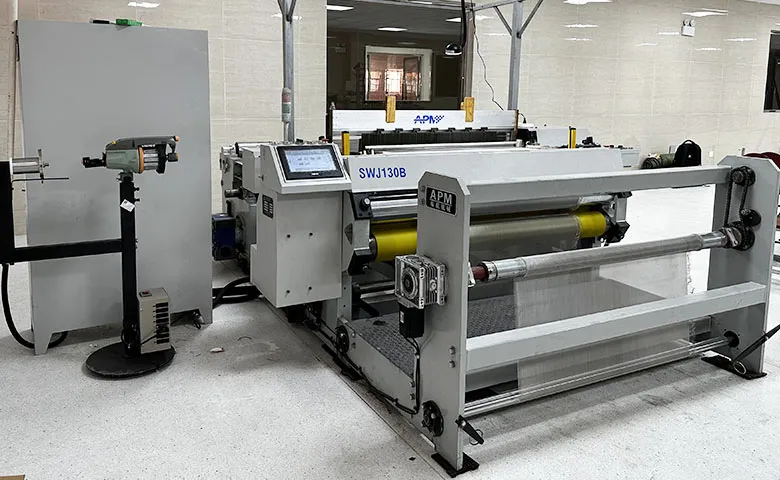
1. Define Your Mesh Count and Opening Size
Mesh count describes the number of openings per linear inch. Opening size, or aperture, is the clear distance between adjacent wires. Both matter because wire diameter determines how much of the spacing remains open.
For square-opening woven mesh, the nominal relationship is:
Opening size (mm) = 25.4 ÷ mesh count − wire diameter (mm)
For example, 40-mesh cloth made with 0.25 mm wire has a calculated opening of:
25.4 ÷ 40 − 0.25 = 0.385 mm
Using 0.30 mm wire at the same mesh count reduces the opening to 0.335 mm. The mesh count stays the same, but the finished product changes.
Include both mesh count and wire diameter in your inquiry, or provide the opening and wire diameter. For rectangular mesh, specify both directions. Dutch weave needs a separate construction specification because its filtration passages cannot be described by this square-opening formula.
2. Match the Machine to Your Wire Diameter and Material
Wire diameter affects the load on the loom, while material and wire condition affect how the wire bends during weaving. A machine specification should therefore cover the actual wire you intend to buy, including its grade and, where available, tensile strength or temper.
When selecting a stainless steel wire mesh weaving machine, give the specific grade, such as 304 or 316L, together with the diameter range. If warp and weft use different wires, list them separately. Warp runs along the mesh length; weft runs across its width.
Check the complete mesh specification against the machine’s operating range. A listed maximum wire diameter and maximum mesh count describe different limits. For example, 100 mesh has a pitch of 0.254 mm, so 0.30 mm wire cannot form a positive square opening at that count.
If your product is a mining screen made from thick, pre-crimped wire, start with a crimped wire mesh machine. The wire preparation and weaving requirements differ from those of fine wire cloth.
3. Choose the Right Weaving Width
Specify the saleable mesh width after any edge trimming. This gives the machine supplier a clear basis for checking the required weaving width and edge arrangement.
For a finished roll width of 1,500 mm, for example, ask whether a 1,600 mm machine provides enough allowance for your product and finishing process. Confirm this before choosing the width.
Base the decision on the orders you expect to run regularly. If most production is 1,000 mm wide and occasional orders require 2,000 mm, compare the wider loom’s purchase cost, space requirement and running conditions against the value of those wider orders. Include credible future requirements in the discussion.
A wider mesh also changes the weft insertion distance and weaving load. Check its running speed using the same wire and weave specification you plan to produce.
4. Confirm the Weave Types You Need
The weave determines the movement of the warp wires and the way each weft wire is inserted. That makes the shedding system, heddle arrangement and wire control part of the selection.
| Weave | Wire arrangement | Machine details to confirm |
| Plain weave | Wires alternate over and under one another | Shedding arrangement, reed and tension settings for the specified mesh |
| 2/2 twill weave | Each wire passes over two and under two, with the pattern offset | Heddle configuration and shedding sequence for the twill pattern |
| Dutch weave | Different warp and weft diameters and counts create a dense filter cloth | Exact Dutch construction, both wire diameters, both mesh counts and tension requirements |
A wire weaving loom may cover several weaves when equipped and set up for them. Before ordering, name every weave you intend to manufacture and ask which changes require different tooling, threading or control settings.
For Dutch filter cloth, include a sample or construction drawing when possible. "Dutch weave" alone does not identify the full production requirement.
5. Check Production Output at Your Target Specification
Ask for output in metres per hour or square metres per shift at a defined mesh specification. A speed figure becomes useful when it is tied to material, wire diameter, width and weave.
Mesh count has a direct effect on linear output. At the same weft insertion rate, an 80-mesh product needs twice as many picks per unit length as a 40-mesh product, giving half the theoretical length output. This comparison assumes the counts refer to the weft direction and all other running conditions remain equal.
For production planning, also allow for beam changes, wire breaks, setup, inspection and rejected mesh. Ask for a weaving demonstration using your target specification or a closely comparable one, and check the finished cloth for opening consistency, broken wires and edge quality.
If you manufacture many short batches, discuss changeover time. If you run long batches of one specification, focus on sustained speed and acceptable output over the shift.
6. Compare APM Wire Mesh Weaving Machines
Our wire weaving machine range includes the following series. Use these parameters to shortlist a machine before checking your complete product specification.
| APM series | Plain-weave range (mesh/inch) | Wire diameter (mm) | Weaving width options (mm) |
| B / B Max | 40–600 | ≤0.30 | 1,300 / 1,600 / 2,000 / 2,500 |
| QD | 8–120 | ≤0.35 | 1,300 / 1,600 / 2,000 / 2,500 |
| Q | 8–80 | ≤0.60 | 1,300 / 1,600 / 2,000 / 2,500 |
| D | 4–60 or 8–80, by configuration | ≤0.80 | 1,300 / 1,600 / 2,000 / 2,500; configurations up to 6,300 |
| HD | 8–600 | 0.025–0.45 | 1,300 / 1,600 / 2,000 / 2,500 |
The table covers plain-weave ranges. Dutch-weave requirements and the combination of width, diameter and mesh count need a separate configuration check.
For a preliminary selection, the listed diameter limits rule out B/B Max and QD when the required wire is 0.50 mm. Q and D remain candidates for further checks. Conversely, a requirement for 200-mesh plain weave points toward B/B Max or HD for initial review, provided the wire diameter and other specifications also fit.
Once the shortlist is clear, confirm the weave configuration, expected output, auxiliary equipment and spare tooling for your planned product range.
FAQs About Choosing a Wire Mesh Weaving Machine
Can one wire mesh weaving machine produce different mesh counts?
Yes, within its configured range. Changing products may require a different reed, warp preparation, threading and tension settings. Ask what each change involves for the mesh specifications you plan to run.
Can the same machine weave stainless steel and other metals?
Yes, a suitably configured loom can process several metals. Each material still needs a check of wire diameter, strength, surface condition and tension settings, especially when moving between soft wire and harder grades.
Can one machine produce plain, twill and Dutch weave?
It can when the shedding system, heddle configuration and wire controls support the required constructions. Include all intended weaves in the quotation request so the necessary configuration is selected from the start.
Does a higher weaving speed always mean higher output?
Higher speed increases theoretical output for the same mesh specification. Actual saleable output also depends on running time and quality, so compare machines on acceptable mesh produced per shift.
What auxiliary equipment is needed for wire mesh weaving?
A warping machine prepares the warp for weaving. Depending on how you sell the finished mesh, you may also need slitting, cutting or stretching equipment. Confirm the workflow from wire supply to finished rolls or sheets.
What information should I provide for a machine quotation?
Send mesh count or opening size, warp and weft wire diameters, material grade, finished width, weave type and target output. Add a sample photo or drawing and identify your most frequent specifications if you make several products.
Conclusion
Choose a wire mesh weaving machine around your regular production specifications and required saleable output. Send APM your mesh details, sample photos or drawings and expected production volume. We can help you narrow down the machine series and discuss the configuration for your production line.
 English